
Ernest Hemingway’s concise 1927 story explores a pivotal conversation between a couple in Spain, subtly addressing a life-altering decision.
Overview of Ernest Hemingway’s Short Story
“Hills Like White Elephants” unfolds through a seemingly simple dialogue between an American man and a young woman, Jig, awaiting a train in Spain. The narrative centers around their discussion of a procedure – heavily implied to be an abortion – and the potential impact on their relationship.
Hemingway masterfully employs his “iceberg theory,” revealing only a fraction of the underlying emotional weight. The story’s power lies in what isn’t said, forcing readers to decipher the tension and conflicting desires between the couple. It’s a study in communication breakdown and the complexities of choice.
Significance and Critical Reception
“Hills Like White Elephants” is celebrated for its minimalist style and profound exploration of difficult themes. Critics consistently praise Hemingway’s ability to convey immense emotional depth through sparse dialogue and subtle symbolism. The story’s ambiguity has sparked decades of debate regarding Jig’s ultimate decision and the power dynamics at play.
It remains a staple in American literature curricula, lauded for its representation of the “Lost Generation’s” disillusionment and its nuanced portrayal of gender roles and reproductive choice;

The Core Symbolism: Elephants
The elephants represent the unspoken, central issue – abortion – and unwanted burdens, mirroring the phrase “white elephant” denoting a costly possession.
The “Elephant in the Room” Metaphor
Hemingway masterfully employs the “elephant in the room” idiom, representing an obvious yet undiscussed problem. The couple avoids directly naming the abortion, creating palpable tension. Their conversation circles the issue, highlighting their discomfort and inability to communicate openly. This avoidance mirrors real-life struggles with difficult topics. The hills themselves, resembling elephants, visually reinforce this central, looming concern, subtly present throughout their exchange. It’s a powerful technique, forcing readers to confront the unspoken truth alongside the characters, amplifying the story’s emotional weight.
“White Elephants” as Unwanted Gifts
Historically, “white elephants” signified lavish, burdensome gifts in Siam (Thailand), costly to maintain and offering little practical value. Hemingway utilizes this symbolism to represent the unwanted pregnancy. The American man subtly frames the child as such a burden, something Jig doesn’t truly desire. He presents the abortion as a simple solution, dismissing the emotional weight. This parallels the unwanted gift, a possession creating more trouble than joy, highlighting the man’s self-serving perspective and manipulative tactics.
Connecting the Symbolism to Abortion
The story’s central conflict revolves around Jig’s potential abortion, never explicitly named but heavily implied. The “white elephant” symbolizes the unwanted child, a burden the man wishes to avoid. The hills themselves, initially appearing beautiful, become associated with this difficult choice. Hemingway’s masterful use of subtext allows the reader to infer the gravity of the situation, mirroring the societal taboo surrounding abortion in the 1920s, and the couple’s strained communication.
Character Analysis
Jig and the American man represent contrasting perspectives on a life-altering decision, revealing power imbalances and emotional distance within their relationship.
The American Man: Dominance and Control
The American consistently attempts to steer Jig towards a specific choice, subtly exerting control throughout their conversation. He frames the abortion as a simple solution, minimizing its emotional weight and dismissing her potential feelings. His repeated assurances of support feel manipulative, masking his clear preference.
He avoids directly addressing the issue, instead using indirect language and downplaying the significance of the decision. This behavior highlights his desire to avoid responsibility and maintain dominance in the relationship, showcasing a concerning power dynamic.
Jig: Uncertainty and Internal Conflict
Jig grapples with profound uncertainty, oscillating between wanting to please the American and questioning her own desires. Her repeated questioning reveals a deep internal conflict, as she attempts to understand the implications of each choice. She seeks reassurance but receives only subtly coercive suggestions.
Her observations of the landscape – the barren hills and the fertile fields – mirror her internal struggle, symbolizing the potential futures before her. This showcases her vulnerability and the weight of the decision she faces.
The Age Gap and Power Dynamics
The narrative subtly highlights a significant age gap, with the man consistently referred to as “the American” and Jig as “the girl,” establishing an immediate power imbalance. This disparity influences their communication, as the man attempts to steer Jig towards his preferred outcome.
His repeated assurances of support feel manipulative, masking his desire for her to have the abortion. Jig’s questioning reveals her dependence on his approval, showcasing the unequal dynamic at play within their relationship.

Dialogue and Subtext
Hemingway’s masterful use of dialogue reveals unspoken tensions; much is communicated through what isn’t said, embodying his “iceberg theory” of writing.
Hemingway’s Iceberg Theory in Action
Hemingway’s famed “iceberg theory” is powerfully demonstrated in “Hills Like White Elephants.” He believed a story’s true meaning resided beneath the surface, with only a fraction explicitly stated.
The dialogue appears simple, concerning drinks and the landscape, yet conceals a weighty debate about abortion. The core conflict – Jig’s potential pregnancy and the couple’s differing views – is never directly named.
Instead, Hemingway relies on implication, repetition, and subtle shifts in conversation, forcing readers to actively participate in uncovering the story’s profound emotional depth and underlying themes.
Unspoken Tension and Communication Breakdown
A palpable tension permeates the story, stemming from the couple’s inability to directly address their predicament. Their conversation is riddled with evasions and indirect suggestions, highlighting a profound communication breakdown.
The American repeatedly asserts his support for Jig’s “choice,” yet simultaneously pressures her towards abortion, creating a manipulative dynamic. Jig’s responses are often questioning and hesitant, revealing her internal conflict and the lack of genuine emotional connection.
This strained interaction underscores the story’s central theme: the difficulty of honest communication in the face of difficult decisions.
Repetition and its Impact on Meaning
Hemingway masterfully employs repetition to emphasize the underlying tension and the cyclical nature of the couple’s discussion. Phrases like “perfectly simple” and assurances of support, repeated by the American, become increasingly hollow and manipulative.
Jig’s repeated questioning about whether things will be “like before” reveals her anxiety and fear of irreversible change. This linguistic pattern underscores the emotional weight of their decision and the impossibility of truly returning to a previous state.
Repetition amplifies the story’s subtext.

Setting and Atmosphere
The Spanish train station, a liminal space, symbolizes the couple’s crossroads; barren landscapes mirror their emotional state and uncertain future.
The Train Station as a Liminal Space
The train station functions as a potent symbol of transition and uncertainty, a “betwixt and between” place where the couple is neither here nor there. It represents a pause, a holding pattern before a significant life change.
They are suspended in time, awaiting a train that will carry them towards an undefined future, mirroring Jig’s indecision. This physical space embodies the emotional limbo they inhabit, amplifying the story’s central conflict and the weight of their unspoken choice.
The Spanish Landscape: Barrenness and Choice
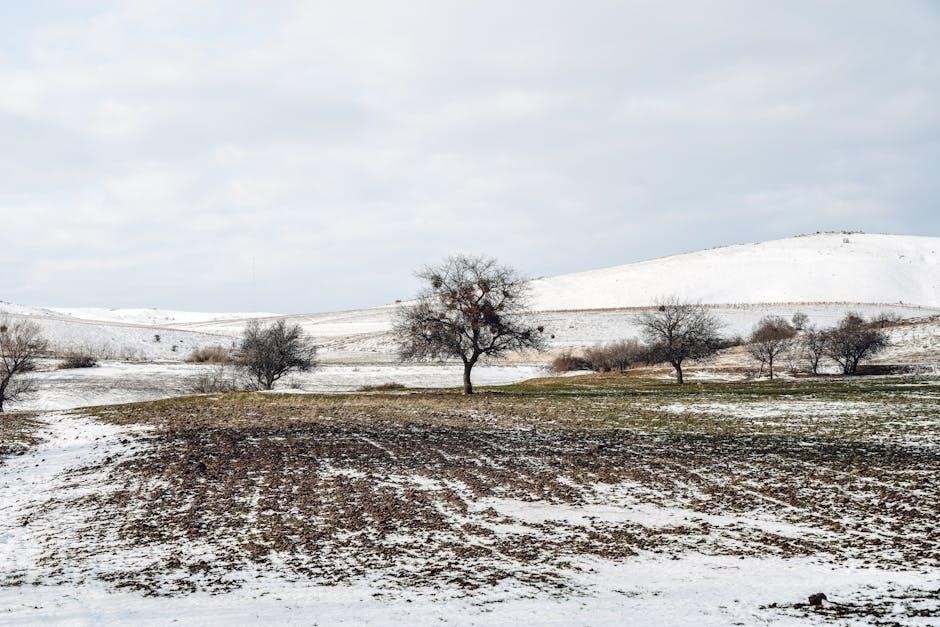
The stark Spanish landscape, divided between fertile and barren sides, visually represents the couple’s diverging paths and the potential outcomes of their decision. The dry, desolate terrain mirrors Jig’s feelings of emptiness and the potential loss of a future child.
Conversely, the lush side symbolizes life and possibility, highlighting the weight of the choice before them. This duality underscores the story’s exploration of freedom, responsibility, and the consequences of individual decisions.
The Role of Alcohol in the Narrative
Alcohol functions as a distancing mechanism throughout the story, initially easing tension but ultimately failing to facilitate genuine communication. The couple’s frequent drinking suggests an attempt to avoid confronting the difficult subject at hand – the potential abortion.
It highlights their emotional avoidance and inability to express vulnerability. The man’s insistence on continuing to drink, even as the conversation intensifies, reveals his discomfort and desire to maintain control.
Themes Explored
Central themes include the complexities of choice, the breakdown of communication, societal gender expectations, and the heavy emotional weight of consequential decisions.
Choice and Agency
The story profoundly examines the theme of choice, specifically Jig’s agency – or lack thereof – regarding a potential abortion. The American man subtly pressures her, framing the procedure as a simple solution to their predicament, yet consistently claiming to support “whatever she wants.”
However, his repeated assurances feel manipulative, highlighting a power imbalance. Jig’s internal conflict reveals her struggle to assert her own desires amidst his influence, questioning her future and the potential loss of the child.
Ultimately, the narrative leaves her decision ambiguous, emphasizing the burden and complexity of such a life-altering choice.
Communication and Misunderstanding
Hemingway masterfully portrays a breakdown in communication between the American man and Jig, relying heavily on subtext and unspoken tension. They avoid directly addressing the abortion, circling around the issue with vague statements and repetitive questions.
This indirectness reveals a deep chasm in their understanding of each other’s feelings and desires.
The man’s attempts at reassurance ring hollow, while Jig’s questioning reveals her uncertainty and growing disillusionment, showcasing a tragic failure to connect authentically.
Gender Roles and Expectations
The story subtly critiques traditional gender roles of the 1920s, highlighting the power imbalance between the American man and Jig. He assumes a dominant position, attempting to steer her towards a decision that suits his desires, while she is presented as passive and uncertain.
Jig’s internal conflict reflects societal pressures placed upon women regarding motherhood and their roles within relationships.
The man’s insistence on framing the abortion as a simple procedure underscores a disregard for Jig’s emotional and bodily autonomy.
The Burden of Decision-Making
“Hills Like White Elephants” powerfully portrays the agonizing weight of a difficult choice, specifically regarding an unwanted pregnancy. Jig grapples with immense internal pressure, torn between her own desires and the subtle coercion from the American man.
Hemingway masterfully illustrates how even seemingly supportive statements can amplify the burden, as the man’s “support” feels conditional and self-serving.
The story emphasizes the isolating nature of such decisions.

Analyzing the Story’s Structure
Hemingway’s minimalist approach, relying heavily on dialogue, creates tension and forces readers to actively interpret the unspoken complexities within the narrative.
Minimalist Style and its Effectiveness
Hemingway’s renowned minimalist style in “Hills Like White Elephants” is strikingly effective. He employs sparse descriptions and avoids explicit emotional declarations, instead revealing character feelings through dialogue and subtle actions. This technique mirrors the couple’s avoidance of directly addressing their predicament.
The lack of detailed setting descriptions and internal monologues forces the reader to actively participate in constructing meaning, mirroring the uncertainty and tension experienced by Jig and the American. This stylistic choice amplifies the story’s emotional impact, making it profoundly resonant despite its brevity.
The Use of Dialogue as the Primary Narrative Tool
“Hills Like White Elephants” relies almost entirely on dialogue to propel the narrative and reveal character dynamics. Hemingway masterfully uses conversation – and what isn’t said – to convey the couple’s strained relationship and the weight of their unspoken decision.
The repetitive questioning, curt responses, and subtle power plays within the dialogue expose the emotional distance and communication breakdown between Jig and the American, creating a palpable sense of tension and underlying conflict.
Absence of Explicit Statements
Hemingway’s renowned “Iceberg Theory” is strikingly evident in this story; much of the narrative’s meaning resides beneath the surface. The characters never directly mention “abortion,” yet the topic permeates their conversation through veiled allusions and symbolic language.
This deliberate omission forces readers to actively engage with the text, interpreting the subtext and inferring the emotional stakes. The story’s power lies in what remains unsaid, amplifying the tension and ambiguity.

Historical and Social Context
Published in 1927, the story reflects the era’s changing attitudes towards sexuality and reproductive rights, alongside post-war disillusionment.
Abortion in the 1920s
During the 1920s, abortion was a complex and dangerous issue, largely illegal in most of the United States, though enforcement varied. Back-alley abortions were common, posing significant health risks to women, often resulting in complications or death. Socially, the topic was taboo, rarely discussed openly, and surrounded by stigma.
Hemingway’s story subtly reflects this reality by avoiding direct mention of “abortion,” instead using coded language and symbolism to represent the couple’s difficult choice within a restrictive legal and moral climate. The story’s ambiguity mirrors the uncertainty and secrecy surrounding the procedure at the time.
Hemingway’s Personal Life and Influences
Ernest Hemingway’s life profoundly shaped his writing, marked by experiences in war and personal relationships. His first wife, Hadley Richardson, experienced a pregnancy loss, potentially influencing themes of loss and difficult choices in his work. Hemingway’s own views on relationships and gender roles, often complex and traditional, are subtly present in “Hills Like White Elephants.”
His minimalist style, honed through journalism, reflects a desire for emotional honesty and a distrust of overt sentimentality, mirroring the story’s understated tension.
The Lost Generation and its Disillusionment
“Hills Like White Elephants” embodies the spirit of the Lost Generation—those disillusioned by World War I. This cohort experienced a profound loss of faith in traditional values and societal norms, leading to feelings of alienation and moral ambiguity. The story’s characters, adrift in Spain, reflect this post-war aimlessness and emotional detachment.
Their strained communication and unspoken anxieties symbolize the broader breakdown of connection and meaning experienced by this generation.
Interpretations and Critical Perspectives
Diverse readings – feminist, psychoanalytic, existentialist – illuminate the story’s complexities, focusing on power dynamics, unspoken trauma, and the weight of choice.
Feminist Readings of the Story
Feminist criticism often centers on Jig’s lack of agency and the American man’s subtle coercion regarding the abortion. The story highlights societal pressures on women regarding reproductive choices and the expectation of selflessness in relationships.
Jig’s internal conflict represents the broader struggle for female autonomy, while the man’s dismissive language and desire for a “simple” solution underscore patriarchal control. Her final statement is viewed not as acceptance, but as a resigned acknowledgement of her limited options within a male-dominated context, reflecting a loss of power.
Psychoanalytic Interpretations
Psychoanalytic readings often focus on the unspoken anxieties and repressed desires driving the characters’ behavior. The “white elephant” symbolizes the unwanted pregnancy, representing a disruption of the couple’s existing dynamic and a fear of responsibility.
The man’s insistence on the procedure may stem from unresolved personal issues, while Jig’s ambivalence reflects a deeper struggle with identity and her role as a woman. The story’s ambiguity allows for exploration of unconscious motivations and the complexities of human relationships.
Existentialist Themes
“Hills Like White Elephants” profoundly explores existentialist concepts of choice, freedom, and the burden of responsibility. Jig faces a stark decision with no preordained meaning, forcing her to define her own essence through action – or inaction.
The story highlights the isolation of individual experience and the anguish of creating meaning in a seemingly indifferent universe. The couple’s inability to truly connect underscores the existential loneliness inherent in human existence.

The Ending and its Ambiguity
Jig’s final “I feel fine” is deeply ambiguous, potentially signifying acceptance, resignation, or a deceptive attempt to appease the American man.
Jig’s Final Statement: Acceptance or Resignation?
Jig’s concluding declaration, “I feel fine,” is arguably the story’s most debated element. Does it represent genuine acceptance of the American’s implied desire for an abortion, or is it a hollow reassurance masking deep-seated resignation?
Her tone feels deliberately detached, potentially indicating a surrender to his subtle pressure. Alternatively, it could be a defensive mechanism, a way to end the agonizing conversation and maintain a semblance of control. The ambiguity is intentional, leaving the reader to grapple with the emotional weight of her unspoken decision and its potential consequences.
The Lack of Resolution and its Purpose
Hemingway deliberately avoids providing a definitive resolution to the couple’s conflict, mirroring the uncertainty inherent in real-life decision-making. This open-endedness isn’t a narrative flaw, but a stylistic choice that amplifies the story’s emotional impact.
By refusing to dictate Jig’s ultimate choice, Hemingway forces readers to confront the complexities of the situation and contemplate the potential ramifications of both options, fostering a deeper engagement with the narrative’s themes.
Open-Endedness and Reader Interpretation
The story’s ambiguous conclusion actively invites reader interpretation, transforming the audience into participants in the narrative’s meaning-making process. Hemingway’s minimalist style intentionally leaves crucial details unstated, prompting speculation about Jig’s final decision and her emotional state.
This deliberate ambiguity ensures the story remains perpetually relevant, as each reader brings their own experiences and perspectives to bear on the text, creating a uniquely personal understanding.

“Hills Like White Elephants” as a Literary Example
Hemingway’s masterful short story exemplifies modernist techniques, influencing subsequent writers with its concise prose and impactful subtextual storytelling.
Hemingway’s Contribution to Modernism
Ernest Hemingway fundamentally reshaped 20th-century literature through his innovative style, a cornerstone of Modernism. He rejected ornate Victorian prose, favoring brevity and directness – his “iceberg theory” revealing meaning through omission. “Hills Like White Elephants” perfectly embodies this, showcasing unspoken tension and complex emotions within minimalist dialogue;
This approach mirrored the post-war disillusionment and fragmentation of experience, central themes in Modernist thought. Hemingway’s influence extends to countless authors, solidifying his place as a pivotal figure in literary history, forever altering narrative structure and style.
Influence on Subsequent Writers
Hemingway’s impact resonates deeply within subsequent generations of writers, particularly those embracing minimalist aesthetics. Authors like Raymond Carver and Cormac McCarthy adopted his sparse prose and reliance on subtext, creating powerfully evocative narratives with limited exposition.
His focus on internal psychological states, revealed through dialogue and action, became a dominant technique. “Hills Like White Elephants” served as a masterclass in implication, inspiring writers to trust readers’ interpretive abilities and explore the unspoken dimensions of human relationships.
The Story’s Enduring Relevance
“Hills Like White Elephants” maintains potent relevance due to its timeless exploration of reproductive choice, communication breakdown, and power dynamics within relationships. The story’s ambiguity fosters ongoing debate, mirroring the complexities surrounding abortion and personal autonomy.
Its depiction of unspoken tension and the struggle for agency resonates with contemporary audiences, prompting reflection on gender roles and the burdens of decision-making. Hemingway’s masterful technique ensures continued critical engagement.

Resources for Further Study
Explore academic databases, literary websites, and Hemingway biographies for in-depth analyses and contextual understanding of this impactful short story.
Academic Articles and Essays
Numerous scholarly articles dissect “Hills Like White Elephants,” offering diverse interpretations. JSTOR and Project MUSE host critical essays examining Hemingway’s minimalist style and the story’s complex themes. Search for analyses focusing on symbolism, gender dynamics, and the unspoken tension within the dialogue.
Specifically, look for pieces exploring feminist readings, psychoanalytic perspectives, and existentialist interpretations of Jig’s internal conflict and the American’s manipulative tactics. These resources provide valuable insights into the story’s enduring literary significance and its continued relevance in contemporary discussions.
Online Literary Analysis Websites
SparkNotes, CliffNotes, and LitCharts offer accessible analyses of “Hills Like White Elephants,” providing summaries, character breakdowns, and thematic explorations. These sites are excellent starting points for understanding the story’s core elements and symbolism.
Additionally, websites like GradeSaver and Shmoop present in-depth essays and quizzes, aiding comprehension and critical thinking. Remember to cross-reference information and consult academic sources for a more nuanced understanding of Hemingway’s masterpiece.
Books on Ernest Hemingway and his Works
Harold Bloom’s Ernest Hemingway: Modern Critical Views compiles diverse essays offering insightful interpretations of his oeuvre, including “Hills Like White Elephants.” Jeffrey Meyers’ Hemingway: A Life provides biographical context, illuminating influences on his writing.
Furthermore, A Moveable Feast, Hemingway’s memoir, reveals his Parisian experiences, shaping his minimalist style. Explore scholarly works focusing on Modernism and short story techniques for a deeper understanding.