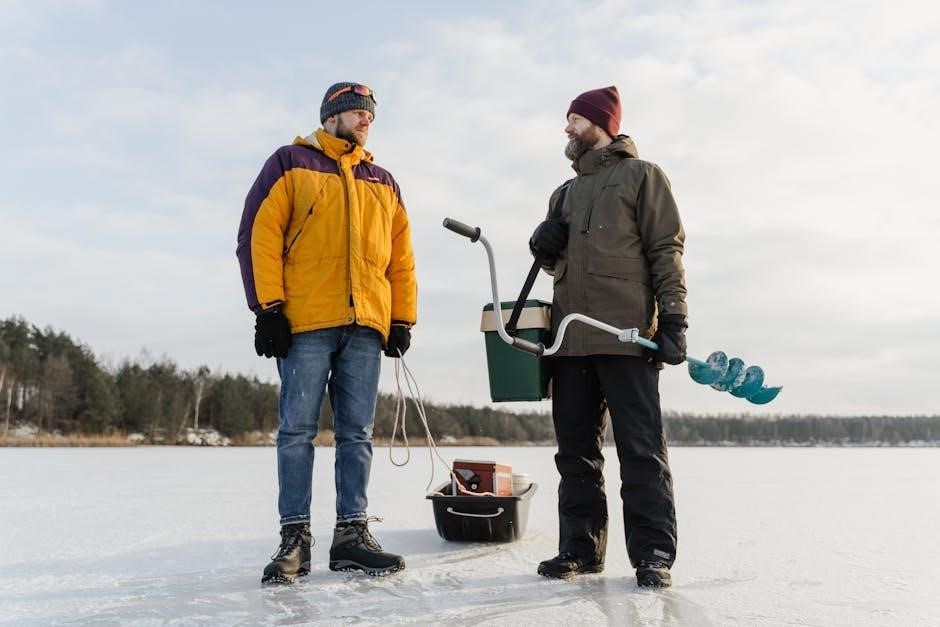
Michigan presents a unique winter experience, attracting anglers seeking thrilling ice fishing adventures.
Numerous guides enhance safety and success, offering expertise on diverse frozen landscapes and target species.
Michigan’s Ice Fishing Popularity
Ice fishing in Michigan has exploded in popularity, becoming a cherished winter tradition for locals and tourists alike. The state’s numerous inland lakes and its Great Lakes shorelines transform into bustling winter villages when frozen, attracting anglers of all skill levels. This surge in interest has fueled a thriving industry of ice fishing guides, catering to those seeking a safe, productive, and enjoyable experience.
The demand for knowledgeable guides stems from the inherent challenges of ice fishing – understanding ice conditions, locating fish, and employing effective techniques. Guides provide invaluable expertise, ensuring both a successful fishing trip and, crucially, safety on the ice. Their local knowledge of hotspots and species-specific strategies is highly sought after, making guided trips a worthwhile investment for many.
Brief Overview of the Article
This article serves as a comprehensive guide to ice fishing in Michigan, with a particular focus on leveraging the expertise of local ice fishing guides. We’ll explore the premier regions for ice fishing, from the expansive Lake St. Clair to the remote Upper Peninsula hotspots, highlighting what each area offers anglers.
We’ll delve into the crucial aspects of selecting the right guide – emphasizing licensing, experience, and the variety of services available. Furthermore, we’ll cover essential gear, target species, and, most importantly, ice safety regulations. This resource aims to equip both novice and experienced ice fishers with the knowledge to plan a safe and successful guided trip in Michigan’s winter wonderland.
Top Regions for Ice Fishing in Michigan
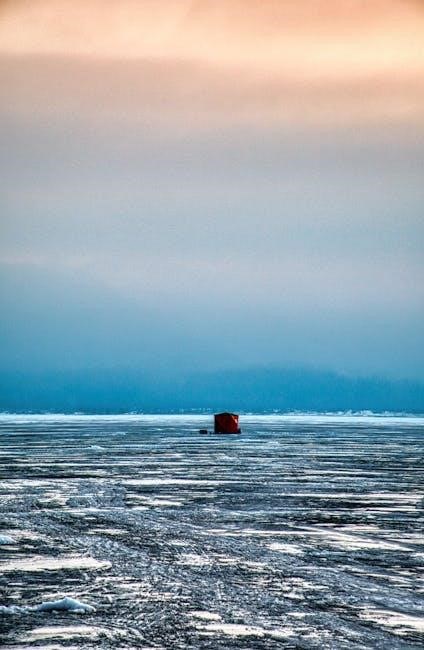
Michigan’s diverse waterways offer exceptional ice fishing, and guides intimately know these locations. Popular spots include Lake St. Clair, Houghton Lake, and the Upper Peninsula’s remote areas.
Lake St. Clair Ice Fishing
Lake St. Clair is renowned for its exceptional walleye and perch populations, making it a premier ice fishing destination. Engaging a local guide significantly elevates the experience, providing invaluable knowledge of the ever-changing ice conditions and productive fishing spots. Guides expertly navigate the expansive lake, utilizing advanced fish-finding technology to locate schools of fish.
They also offer instruction on effective ice fishing techniques tailored to the specific species and conditions. Safety is paramount, and reputable guides prioritize it, equipping clients with essential safety gear and closely monitoring ice thickness. Many guides provide heated shelters, augers, and all necessary tackle, ensuring a comfortable and successful outing. Booking a guided trip on Lake St. Clair maximizes your chances of landing a memorable catch and enjoying a safe, rewarding ice fishing adventure.
Houghton Lake Ice Fishing
Houghton Lake, Michigan’s largest inland lake, transforms into a bustling ice fishing hub each winter. Known for its abundant walleye, perch, and northern pike, it attracts anglers of all skill levels. Hiring an experienced local guide is highly recommended, especially for those unfamiliar with the lake’s vastness and varying ice conditions. Guides possess intimate knowledge of productive fishing locations, utilizing sonar and underwater cameras to pinpoint fish concentrations.
They provide fully equipped ice fishing shanties, augers, and tackle, simplifying the experience. Safety briefings and instruction on proper ice safety procedures are standard practice. Houghton Lake guides cater to diverse preferences, offering half-day, full-day, and multi-day excursions. A guided trip ensures a safe, productive, and enjoyable ice fishing adventure on this popular Michigan lake, increasing your chances of a rewarding catch.
Lake Erie Ice Fishing
Lake Erie, a Great Lake bordering Michigan, presents unique ice fishing opportunities, particularly for walleye and yellow perch. However, its expansive size and unpredictable ice conditions necessitate caution and often, the expertise of a qualified guide. Michigan-based guides specializing in Lake Erie ice fishing offer invaluable services, including comprehensive safety assessments and navigation across the frozen expanse;
They provide heated shanties, advanced fish-finding technology, and all necessary equipment. Experienced guides understand Erie’s currents and structure, locating prime fishing spots inaccessible to those without local knowledge. They also stay updated on changing ice conditions and regulations. Booking a guided trip enhances safety, maximizes fishing success, and provides an unforgettable experience on this world-class fishery, ensuring a productive and secure outing.
Upper Peninsula Ice Fishing Hotspots
Michigan’s Upper Peninsula (UP) boasts numerous exceptional ice fishing locations, from bays along Lake Michigan and Superior to inland lakes. Popular spots include Little Bay de Noc, known for its walleye and perch, and Munising Bay, offering diverse species. Navigating the UP’s remote and often challenging ice conditions demands local expertise, making a guide invaluable.
UP-based ice fishing guides provide safe transport to prime fishing areas, often utilizing tracked vehicles or snowmobiles. They possess intimate knowledge of ice thickness variations, hidden hazards, and productive fishing patterns. Many offer fully equipped shanties and all necessary gear. Hiring a guide ensures a safe, successful, and memorable UP ice fishing adventure, allowing anglers to focus on the thrill of the catch amidst the stunning wilderness scenery.
Choosing the Right Ice Fishing Guide
Selecting a Michigan ice fishing guide requires careful consideration of licensing, insurance, experience, and offered services to ensure a safe and productive outing.
Importance of a Licensed and Insured Guide
Prioritizing a licensed and insured ice fishing guide in Michigan is paramount for a secure and enjoyable experience. A valid license demonstrates the guide’s adherence to state regulations and commitment to responsible angling practices. Insurance provides crucial financial protection for both the angler and the guide in the event of accidents or unforeseen circumstances on the ice.
Without proper licensing, guides may operate illegally, potentially lacking the necessary training and safety protocols. Insurance safeguards against liabilities related to equipment failure, injuries, or property damage. Choosing a guide with both credentials offers peace of mind, allowing anglers to fully focus on the thrill of the catch, knowing they are protected and fishing with a professional who values safety and legal compliance.
Experience and Local Knowledge
A seasoned Michigan ice fishing guide possesses invaluable experience and intimate local knowledge, significantly boosting your angling success. Years spent on the ice translate to an understanding of subtle nuances – reading ice conditions, identifying prime fishing spots, and recognizing seasonal fish behavior patterns.
Local guides are attuned to specific lake characteristics, knowing where walleye, perch, pike, and other species congregate. They can adapt strategies based on real-time conditions, maximizing your chances of landing a trophy catch. Beyond fishing expertise, experienced guides offer insights into the region’s history, wildlife, and winter safety protocols, enriching your overall adventure. Their knowledge transforms a simple fishing trip into an immersive and rewarding experience.
Guide Services Offered (Full-Day, Half-Day, Multi-Day)
Michigan ice fishing guides cater to diverse preferences and schedules, offering a range of service options. Full-day trips (typically 8-10 hours) provide an immersive experience, allowing ample time to explore multiple locations and target various species. Half-day trips (4-6 hours) are ideal for those with limited time or seeking a shorter adventure.
For dedicated anglers, multi-day excursions offer the ultimate ice fishing experience, venturing to remote hotspots and maximizing opportunities for trophy catches. Packages often include lodging, meals, and transportation. Many guides also offer customizable trips tailored to specific species or skill levels, ensuring a personalized and unforgettable outing on Michigan’s frozen waters.
Essential Gear and Equipment
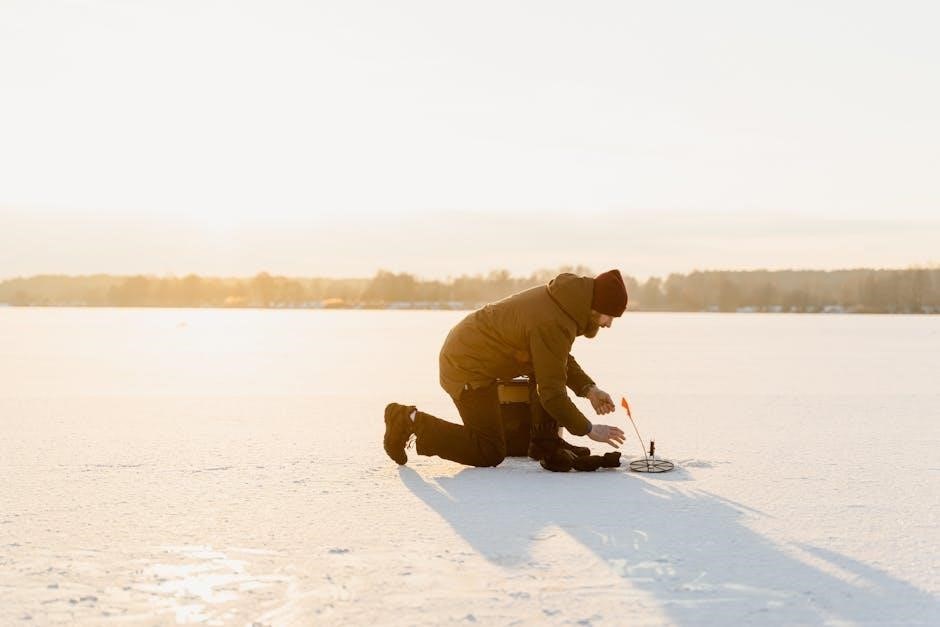
Michigan ice fishing demands specialized gear for safety and success. Guides typically provide essential equipment, but anglers should bring warm clothing and personal items.
Ice Fishing Shelter Options
Michigan ice fishing guides often provide shelters, crucial for protection from harsh winter elements. Pop-up shelters are lightweight and portable, ideal for mobile fishing, while more robust hub shelters offer increased space and stability.
Permanent ice shanties, frequently seen in areas like Lake St. Clair, provide a comfortable, insulated experience. Many guides offer fully equipped shelters, including heat, seating, and even electronics.
Choosing the right shelter depends on the duration of the trip, group size, and desired level of comfort. Guides can advise on the best option based on specific fishing conditions and target species, ensuring a safe and enjoyable experience on the ice.
Ice Augers: Hand vs. Power
Michigan ice fishing guides utilize both hand and power augers, each offering distinct advantages. Hand augers, while requiring physical exertion, are lightweight, quiet, and reliable – ideal for shorter trips or thinner ice. They are often preferred for scouting locations.
Power augers, fueled by gas or electricity, dramatically reduce drilling time, especially through thick ice common on larger bodies of water like Lake Erie or in the Upper Peninsula.
Guides typically choose augers based on ice conditions and client preferences. Many guides maintain both types, offering flexibility. Safety is paramount; guides ensure proper auger operation and demonstrate safe drilling techniques to all participants, maximizing efficiency and minimizing risk.
Fishing Rods and Reels for Ice Fishing
Michigan ice fishing guides equip anglers with specialized rods and reels tailored to the target species and techniques. Shorter ice fishing rods, typically 24-36 inches, provide enhanced control within the confines of a shelter or on the ice. These rods possess sensitive tips for detecting subtle bites.
Reels are generally smaller, balanced spinning reels spooled with fluorocarbon or braided line. Guides often provide a variety of rod actions – from light for panfish like bluegill and crappie, to medium-heavy for walleye and northern pike.
Experienced guides understand the importance of proper gear matching and will assist clients in selecting the optimal setup for the day’s fishing conditions and desired species, ensuring a productive and enjoyable experience.
Safety Equipment: Ice Picks, Rope, and Suits
Michigan ice fishing guides prioritize client safety above all else, providing or requiring essential safety gear. Ice picks, worn around the neck, are crucial for self-rescue if someone breaks through the ice, allowing for a grip to pull oneself out. A length of sturdy rope is also vital for assisting others in similar emergencies.
Furthermore, guides strongly recommend, and often provide, insulated, waterproof suits. These suits offer protection from the frigid temperatures and potential for immersion in icy water.
Reputable guides thoroughly assess ice conditions and educate clients on safe practices, ensuring a secure and enjoyable ice fishing adventure throughout the Michigan winter season.
Target Species in Michigan Ice Fishing
Michigan guides expertly target walleye, perch, pike, bluegill, and crappie through the ice, utilizing specialized techniques and knowledge of local hotspots for success.
Walleye Ice Fishing Techniques
Michigan ice fishing guides possess invaluable expertise in locating and landing walleye. They frequently employ jigging presentations, utilizing various lure types – from vibrant plastics to metallic spoons – to attract these predatory fish. Understanding walleye behavior under the ice is crucial; guides leverage fish finders and underwater cameras to pinpoint active schools and structure.
Effective techniques often involve a subtle, yet enticing jigging motion, mimicking the natural movements of baitfish. Guides also utilize tip-ups strategically placed in promising areas, expanding the coverage and increasing the chances of a strike. They’re adept at adjusting tactics based on ice conditions, water clarity, and walleye mood, ensuring clients experience productive outings. Safety is paramount, and guides prioritize responsible fishing practices.
Perch Ice Fishing Strategies
Michigan ice fishing guides excel at locating perch hotspots, often focusing on areas with subtle bottom changes or weed edges. Perch tend to school, so finding a concentrated group is key. Guides frequently employ a “spread” of multiple lines, utilizing small jigs tipped with live bait like minnows or waxworms. A sensitive rod is essential for detecting the subtle bites perch are known for.
Effective strategies involve varying jigging cadence and presentation depth until the fish reveal their preference. Guides understand the importance of keeping holes clear of ice chips, as perch are easily spooked. They also utilize chum – small amounts of bait scattered in the water – to attract fish to the immediate area. Experienced guides adapt to changing conditions, maximizing perch catches for their clients.
Northern Pike Ice Fishing Tips
Michigan ice fishing guides specializing in northern pike employ aggressive tactics to trigger strikes from these predatory fish. Large lures, such as spoons, jigging raps, and even live bait under a bobber, are commonly used. Pike are ambush predators, so targeting areas near weed beds, submerged timber, or drop-offs is crucial; Guides often “rip” the lure aggressively, followed by a pause, mimicking an injured baitfish.
Steel leaders are absolutely essential when pike fishing, as their sharp teeth can easily sever standard line. Guides emphasize the importance of quick hooksets, as pike often grab the lure and run. They also advise clients on proper fish handling techniques, prioritizing safety for both angler and fish. Experienced guides know where pike congregate during different ice conditions.
Bluegill and Crappie Ice Fishing Methods
Michigan ice fishing guides targeting bluegill and crappie often focus on locating schools of fish using underwater cameras and fish finders. Small jigs tipped with waxworms, maggots, or small minnows are highly effective. A subtle jigging action, combined with a sensitive rod, allows anglers to detect even the lightest bites. Guides frequently drill multiple holes in a potential hotspot, allowing clients to quickly experiment with different depths.
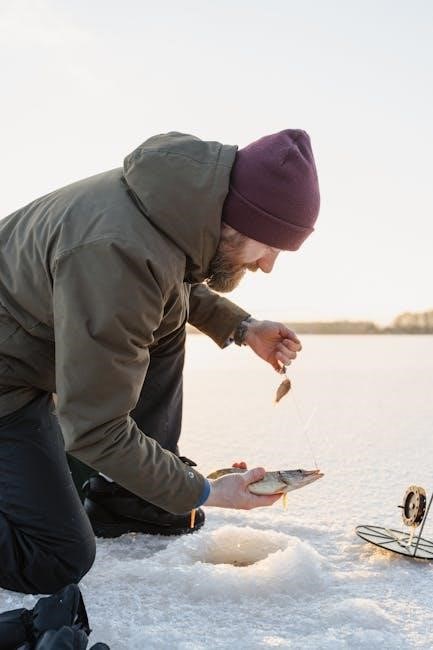
Employing a spring bobber is a popular technique, visually indicating subtle strikes. Guides also utilize tip-ups with small minnows, covering a larger area; They emphasize the importance of light line and small hooks, maximizing the chances of a successful hookset. Understanding crappie and bluegill behavior, including their preference for structure, is key to a productive outing with a guide.
Ice Safety and Regulations
Michigan guides prioritize safety, thoroughly checking ice thickness and adhering to DNR regulations. They equip clients with essential safety gear and knowledge for a secure experience.
Checking Ice Thickness
Experienced Michigan ice fishing guides understand that safety begins with accurately assessing ice conditions. They never assume ice is safe, even in traditionally frozen areas. Guides utilize specialized tools like ice augers and spud bars to meticulously check thickness at multiple points before venturing onto the ice.
They educate clients on visual cues – clear blue ice is generally strongest, while cloudy or gray ice indicates weakness. Guides emphasize that ice thickness varies across a body of water due to currents, springs, and underwater structures. A minimum of four inches is typically recommended for foot traffic, while at least five to twelve inches are needed for snowmobiles or small vehicles, depending on conditions. Guides constantly monitor conditions throughout the trip, prioritizing client well-being above all else.
Michigan DNR Ice Fishing Regulations
Reputable Michigan ice fishing guides are thoroughly familiar with, and strictly adhere to, all regulations set forth by the Michigan Department of Natural Resources (DNR). They ensure clients possess valid fishing licenses and understand daily possession limits for various species. Guides stay updated on any emergency orders or localized restrictions impacting specific bodies of water.
Regulations cover allowable fishing methods, hole size limitations, and the use of tip-ups. Guides explain rules regarding the harvest of protected species and the importance of responsible angling practices. They emphasize the need to remove all trash and debris, leaving the ice clean for others. A knowledgeable guide will proactively inform clients of any changes to regulations, ensuring a compliant and enjoyable fishing experience, avoiding potential fines or legal issues.
Staying Safe on the Ice
Experienced Michigan ice fishing guides prioritize client safety above all else. Before venturing onto any frozen body of water, they meticulously assess ice thickness using spuds and augers, avoiding areas with known hazards like cracks or pressure ridges. Guides equip clients with essential safety gear, including ice picks, rope, and appropriate flotation suits.
They thoroughly brief participants on emergency procedures, demonstrating proper ice self-rescue techniques. Guides monitor weather conditions constantly, recognizing that ice strength can change rapidly with temperature fluctuations. They understand the dangers of slush pockets and open water, proactively avoiding risky areas. A responsible guide will never compromise safety for the sake of catching fish, ensuring a secure and memorable outing.
Booking Your Ice Fishing Trip
Securing a Michigan ice fishing guide involves researching services, comparing costs, and confirming availability. Early booking is crucial, especially during peak season, for a successful adventure.
Popular Michigan Ice Fishing Guide Services
Numerous reputable guide services operate across Michigan’s prime ice fishing locations. Michigan Fishing Report lists several options, showcasing their specialties and service areas.
For Lake St. Clair, consider services specializing in walleye and perch, often providing heated shelters and advanced fish-finding technology. Up north, around Houghton Lake, guides focus on walleye, pike, and crappie, navigating the expansive, often-windy waters.
In the Upper Peninsula, expect guides offering trips to remote inland lakes and bays, targeting a wider variety of species. Many services offer full-day, half-day, and multi-day packages, catering to different experience levels and preferences. Always verify licensing and insurance before booking, ensuring a safe and enjoyable experience.
Cost of Ice Fishing Guides
The cost of an ice fishing guide in Michigan varies significantly based on several factors. A half-day trip (approximately 4-6 hours) typically ranges from $200 to $400 per person, while full-day excursions (8-10 hours) can cost between $350 and $600 per person.
Multi-day packages, often including lodging and meals, can range from $800 to $1500+ per person. Prices are influenced by the guide’s experience, the location’s remoteness, and the equipment provided – heated shelters, sonar, and bait often increase the cost.
Group rates are frequently available, potentially lowering the per-person expense. Remember to factor in the cost of a Michigan fishing license and any potential gear rentals. Booking during peak season (weekends and holidays) usually commands a premium price.
What to Expect on Your Guided Trip
A guided ice fishing trip in Michigan typically begins with a safety briefing covering ice conditions and emergency procedures. Your guide will provide all necessary equipment, including ice augers, shelters, rods, and bait, though bringing personal items like warm clothing is crucial.
The guide will transport you to prime fishing locations, often utilizing snowmobiles or specialized ice vehicles. They’ll drill holes, set up the shelter, and offer expert advice on techniques for targeting specific species like walleye, perch, or pike.
Expect assistance with baiting hooks, checking lines, and landing fish. Many guides will also clean and prepare your catch for transport. A successful trip combines angling expertise with a safe and enjoyable winter experience on Michigan’s frozen waters.
Advanced Ice Fishing Techniques
Michigan guides often employ fish finders and underwater cameras to locate fish. Jigging and tip-ups, combined with expert knowledge, maximize your angling success.
Using Electronics (Fish Finders, Underwater Cameras)
Michigan ice fishing guides increasingly rely on advanced electronics to pinpoint productive fishing spots. Fish finders, or sonar devices, reveal underwater structure, depth contours, and, crucially, the location of fish schools beneath the ice. This technology dramatically increases efficiency, eliminating guesswork and focusing efforts where fish are concentrated.
Underwater cameras provide a visual confirmation of what the sonar detects. Guides can observe fish behavior – how they react to lures, their species, and their size – in real-time. This allows for immediate adjustments to presentation and lure selection. Experienced guides interpret the data from both devices, combining sonar readings with visual observations to create a comprehensive understanding of the underwater environment. Utilizing these tools significantly enhances the overall ice fishing experience and boosts angler success rates across Michigan’s frozen waters.
Jigging Techniques for Different Species
Michigan ice fishing guides are masters of jigging, adapting techniques to target various species. For walleye, a subtle lift-and-drop motion with a minnow-tipped jig often proves effective, mimicking injured baitfish. Perch respond well to small, erratic jigging actions, utilizing brightly colored lures to attract their attention in low-light conditions.
Northern pike demand a more aggressive approach; larger jigs and lively bait, combined with sweeping jigging motions, trigger their predatory instincts. Bluegill and crappie require finesse – gentle, subtle jigging near weed edges or structure. Skilled guides understand these nuances, teaching clients the proper rod action, line control, and jig presentation for each species. They’ll also demonstrate how to “read” the bite, recognizing subtle strikes and setting the hook effectively, maximizing angling success throughout Michigan.
Tip-Ups and Automated Fishing Systems
Michigan ice fishing guides frequently incorporate tip-ups and automated systems to broaden fishing strategies. Tip-ups, simple yet effective, allow anglers to cover a larger area, targeting roaming fish like northern pike and walleye with live or cut bait. Guides expertly position these, considering current and structure.
Automated systems, including electronic tip-ups and underwater cameras, enhance efficiency and provide visual confirmation of fish activity. Experienced guides demonstrate proper setup, flag detection, and hook-setting techniques. They explain how these tools complement traditional jigging, increasing the odds of a successful catch. Utilizing these technologies, Michigan guides offer a comprehensive and modern ice fishing experience, catering to both novice and seasoned anglers seeking diverse fishing methods.