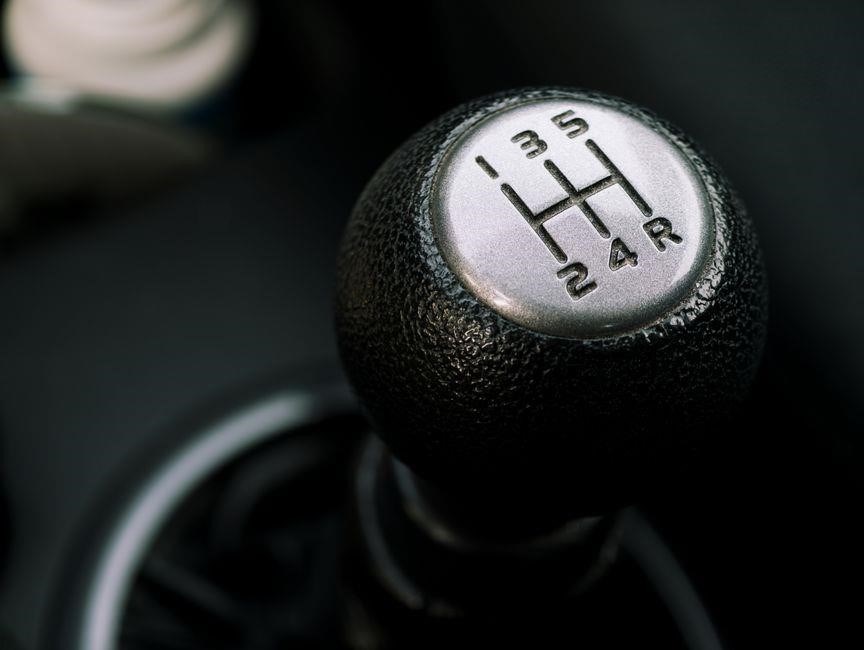
Overview of Manual Driving Learning
Learning a manual gearbox demands patience, practice, and a clear grasp of clutch coordination. On average, beginners need 10–15 hours of supervised driving to master basic shifts and clutch control, while motivated learners can compress progress to 5–7 hours with focused, structured sessions. Consistent feedback accelerates skill retention
Historical Context of Manual Transmissions
Manual gearboxes have roots that trace back to the early 20th century, when the first mass‑produced automobiles relied on simple, manually operated gear selectors. The pioneering designs, such as the 1915 Ford Model T, featured a basic three‑speed gearbox that required drivers to manually engage gears by physically moving the selector and operating the clutch pedal. These early systems were straightforward, with a direct mechanical linkage that allowed the driver to shift gears by physically moving the selector and operating the clutch. Over the decades, engineers refined the concept, adding synchromesh mechanisms in the 1930s to reduce gear clash and improve shift smoothness. By the 1950s, the prevalence of manual transmissions peaked, as manufacturers favored them for their mechanical simplicity, durability, and the driver’s sense of control. However, the rise of automatic transmissions in the 1970s, driven by consumer demand for convenience and advances in torque‑converter technology, began to shift the market. Despite this, manual gearboxes remain popular among performance enthusiasts and in regions where fuel efficiency and vehicle cost are paramount. Today, while automatics dominate global sales, manual transmissions persist in racing, classic car restoration, and in markets where drivers value the tactile engagement and mechanical transparency that a clutch and gear lever provide. The evolution of manual transmissions reflects broader trends in automotive engineering, balancing driver experience, mechanical reliability, and technological progress.Milestones in transmission include early gearbox designs, development, performance today. for drivers!
Core Mechanical Components and Functions

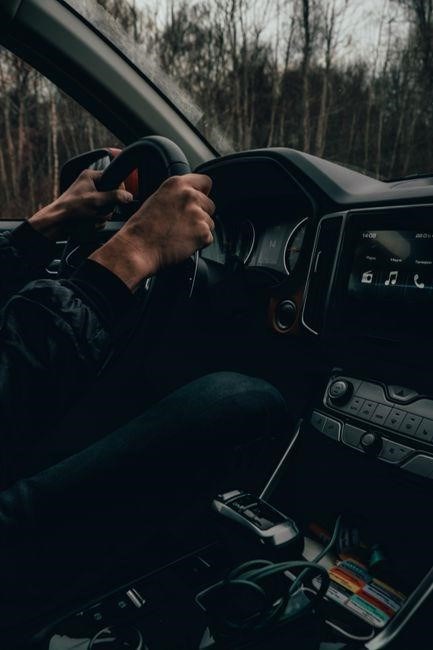
In a manual transmission system, the clutch assembly is the first critical component. It consists of a pressure plate, clutch disc, and release bearing, allowing the driver to disengage engine torque from the gearbox. The gearbox itself contains a set of gears—typically three to five forward ratios and one reverse—each meshing through a gear train. Synchromesh rings on the gear shafts enable smooth engagement by matching gear speeds before the teeth lock. The selector lever, connected to a linkage or cable, translates the driver’s input into gear changes. Internally, the gearbox houses a set of bearings and a gear housing that protects the moving parts from contaminants. The output shaft, driven by the final gear, transmits torque to the driveshaft, which ultimately powers the wheels. Understanding how these components interact is essential for mastering manual driving, as each shift requires precise coordination of the clutch, throttle, and gear selector. Proper maintenance of the clutch and gearbox bearings ensures longevity and reliable performance, while awareness of the gear ratios helps drivers anticipate acceleration and engine braking characteristics during different driving scenarios. The input shaft, driven by the clutch, transfers engine torque into the gearbox, while the output shaft delivers it to the differential. The differential, a bevel gear set, splits power to the wheels, allowing them to rotate at different speeds during cornering. Gear ratios balance acceleration, top speed, and fuel economy. Lower gears give quick acceleration but limit top speed; higher gears reduce engine RPM at cruising speeds, improving efficiency. Drivers must anticipate gear changes from engine sound, tachometer, and road conditions. Mastering clutch modulation—smooth release while applying throttle—reduces wear and ensures seamless shifts.
Training Environment and Instructor Quality
Choosing the right learning setting shapes the pace at which a novice grasps manual gear mechanics. A quiet, low‑traffic parking lot or a dedicated practice strip offers a predictable backdrop, allowing the instructor to focus on clutch feel, gear engagement, and throttle timing without the distraction of heavy traffic. In contrast, a busy city block introduces variable speeds, stop‑and‑go patterns, and the need for rapid gear changes, which can either accelerate learning or overwhelm a beginner. The quality of the instructor is equally pivotal. Experienced teachers bring a blend of technical knowledge and pedagogical skill, breaking down complex concepts into digestible steps. They assess each learner’s comfort level, adjust the pace, and provide immediate corrective feedback, which is essential for internalizing the feel of the clutch pedal and the timing of gear shifts. A seasoned instructor also models safe driving habits, such as anticipating traffic flow and using the clutch to avoid stalling. Moreover, they can tailor the curriculum to the learner’s goals—whether mastering everyday commuting or preparing for spirited driving—ensuring that practice sessions remain relevant and engaging. Consistent, structured lessons that balance theory with hands‑on repetition help cement muscle memory, while a supportive learning environment reduces anxiety and builds confidence. Ultimately, the synergy between an optimal training environment and a skilled instructor determines how quickly a student can transition from hesitant clutch presses to confident, fluid gear changes.
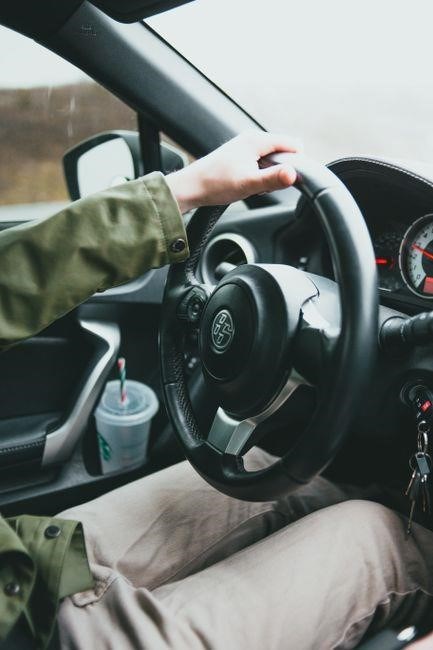
Instructors also emphasize the importance of pre‑drive checks, such as verifying the clutch pedal’s free play and ensuring the gearbox is in neutral before starting. They teach the use of the handbrake for hill starts, the timing of clutch release to avoid stalling on inclines, and the technique of rev‑matching during downshifts to maintain vehicle stability. By integrating these procedural habits into daily practice, learners develop a holistic understanding of how each component contributes to smooth, efficient driving. and skill. now.
Learning Progression and Milestones
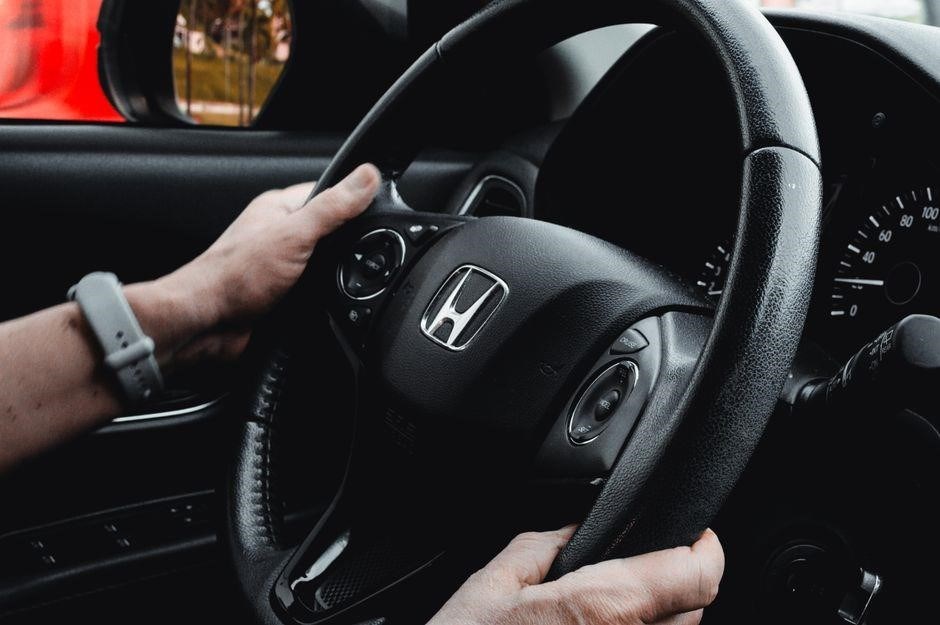
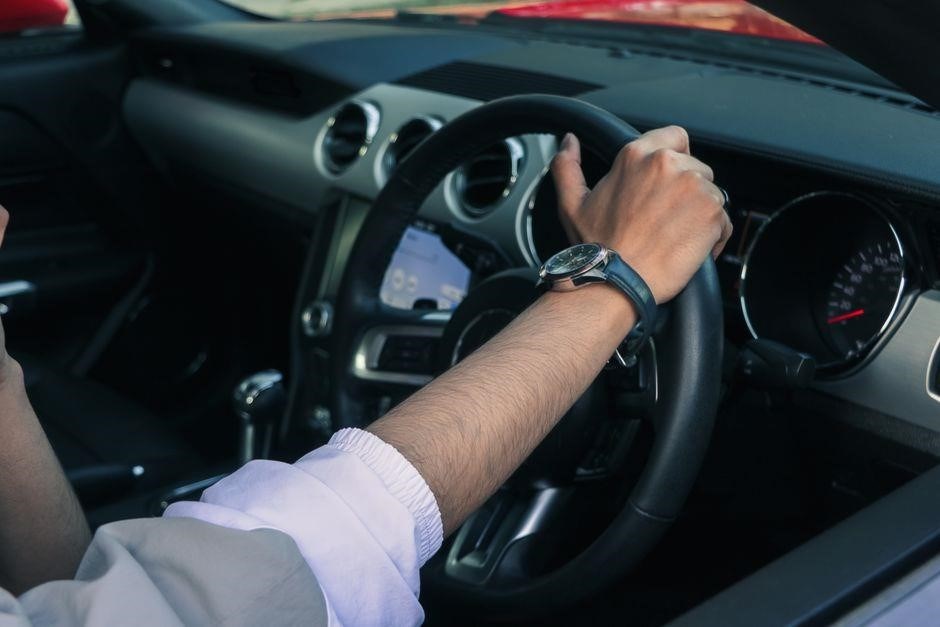
Progress unfolds in clear stages: first, mastering clutch engagement and neutral shifts; next, executing smooth gear changes at low speeds; then, handling hill starts and cornering with confidence; finally, refining timing for high‑speed performance. Each milestone builds muscle memory and situational awareness. Mastery comes with practice.
Initial Familiarization (Shifting, Clutch Control)
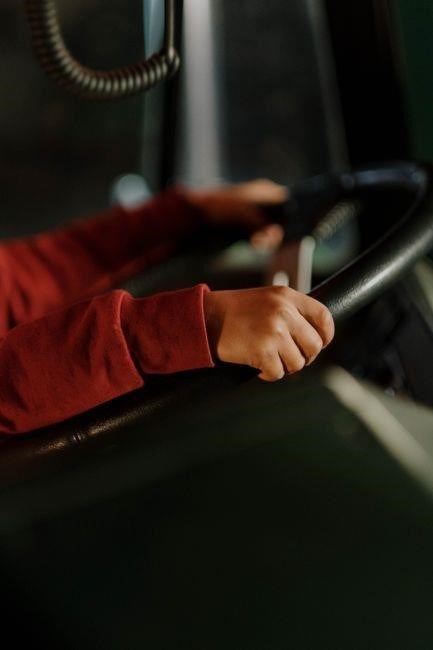
At the outset, learners focus on clutch fundamentals and gear selection. The first step is mastering the clutch pedal’s three positions: fully depressed, the release point, and fully released. Drivers practice the “clutch‑release” technique, feeling the bite point where the engine engages the drivetrain. They learn to match engine RPM with gear ratios for smooth transitions. Repeated practice on a quiet road or parking lot builds muscle memory for clutch modulation. By the end of this phase, a student can start the vehicle, shift from first to second gear, and stop without stalling. The goal is to internalize the clutch feel and engine response, so shifting becomes fluid and almost automatic. Consistent feedback on pedal pressure and gear timing reinforces correct habits, laying the groundwork for hill starts, cornering, and high‑speed performance driving. Confidence builds quickly!
Instructors introduce rev‑matching, adjusting throttle to align engine speed with the next gear’s idle, reducing drivetrain shock. After each attempt, the instructor gives specific cues, such as “release the clutch more smoothly” or “increase throttle slightly.” Over time, the student internalizes these cues, leading to smoother gear changes. Emergency stop drills reinforce reflexive clutch engagement. By the end of the familiarization period, the learner can start, shift through all gears, and stop without hesitation, demonstrating a solid grasp of clutch mechanics and gear coordination. Practice continues to refine timing and confidence. Skill grows daily!!!
Intermediate Skills (Hill Starts, Cornering)
Once the clutch and gear basics are solid, the learner advances to hill starts and cornering. Hill starts demand precise clutch control, throttle modulation, and quick gear selection. In a typical session, the instructor places the vehicle on a gentle slope, instructs the learner to engage the clutch, shift into first gear, and hold the handbrake while the engine revs to a target RPM. The student then releases the handbrake, gradually eases the clutch to the bite point, and applies throttle to prevent rollback. Repetition on varying inclines—flat, moderate, and steep—helps the driver internalize the timing and feel required for each scenario. The instructor monitors clutch engagement with a pedal‑position gauge, providing feedback such as “lift the clutch a bit faster” or “apply more throttle at the release point.” By the end of this segment, the learner can perform a smooth hill start without stalling. The instructor also demonstrates how to use the clutch to avoid stalling during uphill starts.
Cornering builds on clutch and throttle control, adding steering precision and weight transfer awareness. The driver practices entering a bend at low speed, using the clutch to modulate engine torque and maintain traction. The instructor emphasizes the “slip‑point” technique: gently releasing the clutch while simultaneously applying light throttle to keep the vehicle balanced. The learner then learns to “counter‑steer” by turning the wheel opposite to the direction of the turn, allowing the car to navigate the corner smoothly. Sessions include both left‑handed and right‑handed turns, with varying radii, to expose the student to different load distributions. Drivers also learn to adjust steering input based on vehicle speed, ensuring smooth entry and exit from corners. By practicing these maneuvers on a closed track or a quiet road with marked corners, the learner gains confidence in maintaining vehicle stability and speed through turns.
Throughout the intermediate phase, the instructor tracks progress with a logbook, noting clutch release times, throttle response, and cornering angles. This data helps tailor subsequent lessons, ensuring the learner focuses on areas needing improvement. Consistent practice, typically 3–4 sessions per week, accelerates mastery, allowing the student to transition from basic hill starts to confident cornering in a matter of weeks. Students record their progress in a digital log, enabling objective assessment of clutch timing and cornering precision. The culmination of this stage is the ability to handle real‑world driving conditions—unexpected inclines, sharp turns, and variable traffic—without hesitation or error.
Advanced Proficiency (Race Conditions, Performance Driving)
Mastering performance driving demands precise gear‑shift timing and throttle control. In a controlled setting, the instructor teaches high‑speed cornering, where the driver uses the clutch for rev‑matching during downshifts, keeping torque while preserving traction. The learner practices heel‑toe braking, coordinating brake and throttle to maintain stability during rapid deceleration and acceleration. Sessions cover launch control, achieving maximum traction from a standstill by holding the clutch at the bite point and applying full throttle, then releasing smoothly to avoid wheel spin. The instructor monitors gear changes with a tachometer, ensuring shifts occur at optimal RPM ranges. Advanced drills include slip‑point braking, where the driver modulates the clutch to keep the engine in the power band while decelerating, and trail‑braking into corners, maintaining speed through the apex. The learner also studies weight transfer by shifting weight from front to rear during acceleration, improving traction on the rear wheels. By the end, the driver can perform smooth, high‑speed shifts, precise launch, and controlled cornering, demonstrating confidence in race‑ready conditions. Continuous feedback is provided through video analysis, where the instructor reviews clutch engagement, throttle input, and steering path, offering actionable insights for improvement. The goal is to enable the learner to transition from everyday driving to high‑performance scenarios with minimal hesitation, ensuring safety and skill in competitive environments. The instructor stresses keeping the rev‑range consistent for engine health during high‑speed runs at sustained.
Estimated Practice Hours
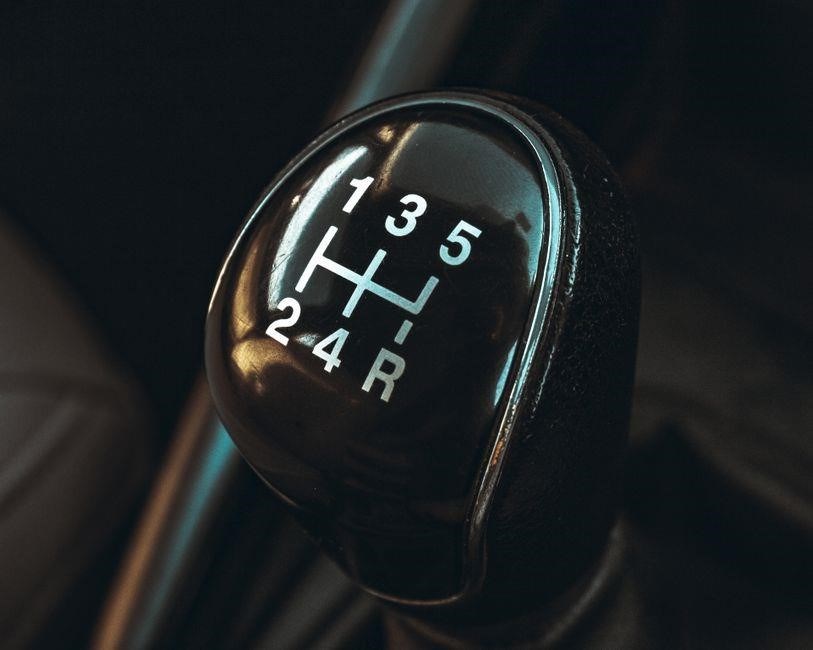
Typical learners require 10–15 hours for basic mastery, 5–7 hours for accelerated progress, and 20+ hours for extended expertise. Structured sessions, consistent feedback, and focused drills help reduce time while ensuring safety and skill retention. Consistent practice and scenarios accelerate proficiency
Average Learner (10–15 Hours)
For most new drivers, a typical learning curve spans roughly ten to fifteen hours of hands‑on instruction. During this period, the learner focuses on clutch engagement, gear selection, and smooth transitions between gears while maintaining vehicle stability. The curriculum usually follows a structured sequence: initial familiarization with the clutch pedal, mastering neutral and first‑gear engagement, then progressing to second and third gears before tackling higher ratios. Each session is designed to reinforce muscle memory through repetition, with the instructor providing real‑time feedback on clutch bite point, release speed, and throttle modulation.
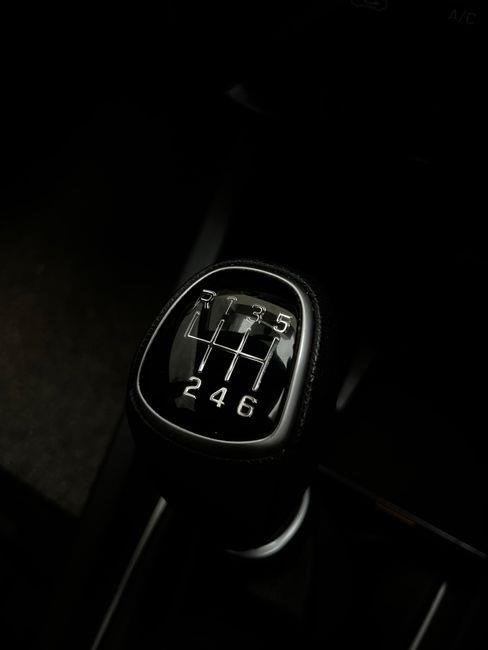
Key milestones within this timeframe include: achieving a consistent clutch release without stalling, executing smooth gear changes at low speeds, and maintaining control during uphill starts and gentle cornering. Learners also practice reversing and parking in tight spaces, which further solidifies clutch coordination. By the end of the 10–15 hour block, most students can navigate a standard traffic environment, handle stop‑and‑go scenarios, and perform basic maneuvers such as lane changes and merging with confidence.
To optimize learning, instructors recommend a mix of on‑road and closed‑course practice. On‑road sessions expose the student to traffic signals, variable road surfaces, and real‑world distractions, while closed‑course drills isolate specific skills like hill starts or emergency stops. Consistent practice, coupled with deliberate error analysis, accelerates skill acquisition and reduces the likelihood of ingrained habits that could compromise safety.
During these sessions, instructors emphasize the importance of listening to engine tone, anticipating gear changes, and maintaining smooth throttle input. By correlating pedal position with engine RPM, learners develop an intuitive sense of when to engage or disengage the clutch, reducing hesitation and improving overall vehicle responsiveness. Learners also practice clutch modulation during maneuvers, such as parking and navigating, which reinforces muscle memory and builds confidence in varied traffic scenarios. This also anticipation of traffic changes!!
Continued practice beyond the initial block further enhances reaction times, improves gear‑shift precision, and builds long‑term muscle memory!!!!!!
Students typically report increased confidence after completing this block, and many choose to continue refining their skills through additional practice sessions.
Accelerated Learning (5–7 Hours)
For learners who dedicate focused, high‑intensity practice, the learning curve can compress to five to seven hours. This accelerated path requires a disciplined approach: a structured curriculum, immediate feedback, and repeated drills that target clutch coordination and gear‑shift timing. In the first hour, the student typically spends 30 minutes mastering the clutch bite point and 30 minutes practicing neutral‑to‑first‑gear engagement on a closed track. The instructor then introduces rapid gear changes, emphasizing smooth transitions and throttle modulation to avoid stalling.
During the second hour, the focus shifts to uphill starts and low‑speed maneuvering. The learner practices holding the vehicle on a slope while gradually releasing the clutch, then accelerates smoothly into second gear. Repetition of this sequence builds muscle memory, allowing the student to anticipate engine torque curves and adjust clutch pressure accordingly. By the third hour, the student tackles reverse drives and parking in tight spaces, reinforcing clutch control under varied conditions.
The fourth hour is dedicated to traffic‑simulation drills: stop‑and‑go scenarios, lane changes, and merging onto a highway. These exercises integrate clutch work with situational awareness, ensuring the learner can maintain control while responding to external stimuli. The final hour consolidates all skills through a timed, multi‑segment session that mimics a typical commute, challenging the student to apply clutch coordination, gear selection, and throttle control in a realistic setting.
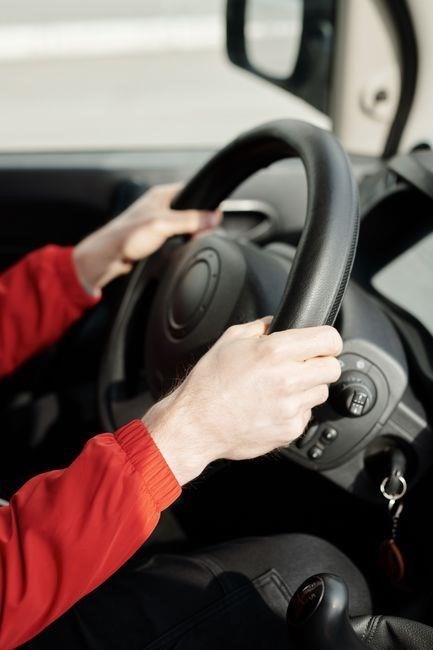
Key to this accelerated approach is the use of a “learning loop”: immediate observation, corrective feedback, and rapid repetition. Instructors often employ video playback or real‑time telemetry to highlight clutch engagement points, enabling the learner to visualize and correct errors on the spot. This data‑driven method shortens the trial‑and‑error cycle, allowing the student to internalize proper technique faster than in traditional, spaced learning.
While five to seven hours can yield functional competence for many, it is essential to recognize that mastery of nuanced driving—such as handling high‑power vehicles or racing conditions—requires additional practice. Nonetheless, this accelerated pathway provides a solid foundation for everyday driving, equipping students with the confidence and skill set needed to navigate diverse traffic environments efficiently.
Additional practice beyond the core curriculum reinforces muscle memory and confidence, ensuring learners adapt to varying road conditions and driving oftendaily
Extended Mastery (20+ Hours)
Extended mastery of manual transmission driving requires more than 20 hours of dedicated practice; it demands a systematic approach that blends technical skill, situational awareness, and mental resilience. Learners transition from basic clutch control to nuanced modulation, anticipating torque curves, adjusting gear ratios on the fly, and maintaining optimal engine speed across a wide range of speeds. They practice hill starts on steep gradients, mastering the balance between clutch engagement and throttle input to prevent rollback or stalling. Advanced sessions include dynamic braking drills, where drivers modulate the clutch and brake simultaneously to achieve smooth deceleration without losing traction. Instructors provide real‑time feedback, using data logging tools to analyze clutch slip, gear‑shift timing, and engine RPM, allowing students to visualize performance and adjust technique accordingly. By the end of the 20‑plus hour period, learners possess confidence to handle complex traffic scenarios, such as merging onto busy highways, navigating congested roundabouts, and executing emergency maneuvers. They also adapt to different vehicle types, from lightweight coupes to heavy SUVs, each with unique clutch characteristics and power delivery profiles. The culmination of this intensive training is a driver who can seamlessly transition between gears, maintain smooth power delivery, and respond instinctively to changing road conditions, achieving a level of proficiency that rivals seasoned professionals.
Students also engage in controlled track sessions, pushing the vehicle to its limits to learn engine braking, rev‑matching, and clutch fade. They study torque transfer physics, understanding how gear ratios affect acceleration curves and top speed. By experimenting with different gear ratios in a simulated environment, they gain insight into tailoring driving style to the vehicle’s strengths. Night driving practice hones focus on clutch cues and gear selection under reduced visibility, while training in adverse weather conditions teaches throttle and gear adjustments to maintain traction. The cumulative effect is a driver who can adapt to any situation, making split‑second decisions that keep the vehicle under control while maximizing performance.
Finally, the extended mastery phase emphasizes mental preparation. Drivers learn to maintain composure under pressure, using breathing techniques and visualization to stay calm during high‑stakes situations. They study vehicle dynamics—weight transfer, suspension geometry, and tire characteristics—to influence handling. Integrating this knowledge with practical skill, they become holistic drivers who anticipate vehicle behavior and adjust accordingly. The result is a well‑rounded driver capable of mastering manual transmission driving in any context, from daily commutes to competitive racing, with confidence and precision;