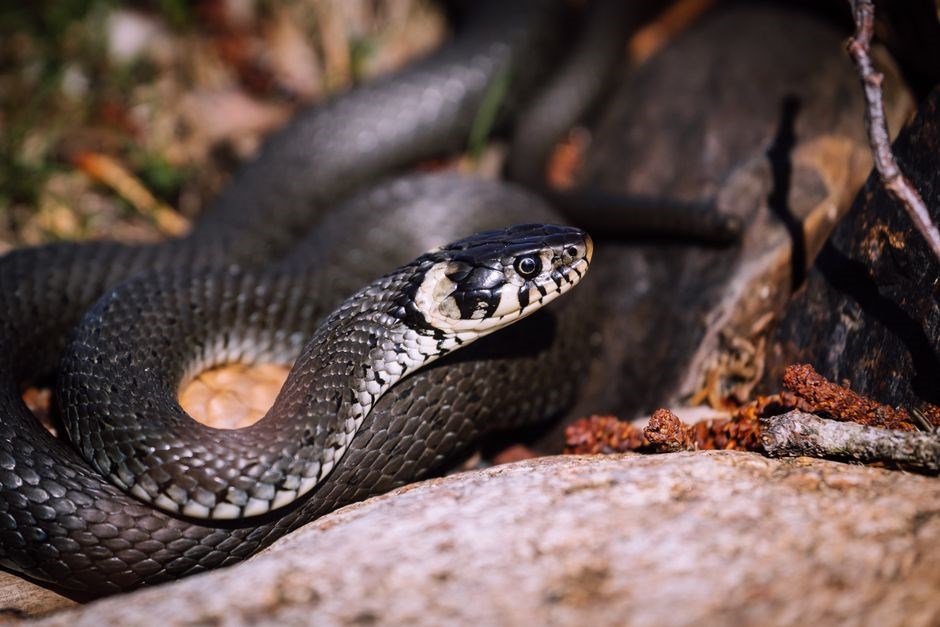
Overview of D․ H․ Lawrence’s “Snake”
Lawrence’s “Snake” captures a fleeting encounter with a serpent beside a water‑trough on a sweltering day․ The poem, published on Poetry Foundation, is freely downloadable as a PDF and also appears on Course Hero, offering readers a concise, vivid snapshot of nature’s subtle menace․ Its rhythmic invites awe now․

Publication History and PDF Availability
First printed in 1921, “Snake” appeared in Lawrence’s 1922 collection․ The Poetry Foundation hosts a PDF, freely downloadable․ Course Hero also offers a copy, while university libraries keep digital archives․ The poem’s PDF is widely shared online․ Also, PDF is available via Library of Congress archive online!!!!
Official Poetry Foundation PDF
The Poetry Foundation hosts an official PDF of D․ H․ Lawrence’s “Snake,” available on the poem’s page․ The file is a high‑resolution, 8‑page PDF that preserves the original typography and line breaks, letting readers experience the poem exactly as it appears in print․ Users can download the PDF directly by clicking the “Download PDF” button, which opens a new tab and starts the download․ The PDF is free for personal, non‑commercial use, and the Foundation’s terms allow sharing for educational purposes․ The file is named “Snake_Lawrence;pdf” and stored on secure servers․ It includes a header with the title, author, and publication date, followed by the full text․ The layout uses a serif font matching the original print, with margins set to mimic the book format․ The file size is about 45 KB, making it lightweight․ The PDF is updated to reflect editorial changes․ Copyright policy states the poem is public domain in the U․S․, but the PDF format is protected by terms of use․ Users should comply with these terms when sharing․ The PDF can be opened with any PDF viewer, such as Adobe Acrobat Reader or Foxit Reader․ The website includes a “Print” option that generates a printable version․ The PDF is linked from the poem’s citation page, which lists bibliographic details․ The policy encourages proper citation when using the PDF in academic work․ The PDF is a valuable resource for students, scholars, and poetry enthusiasts who want a reliable copy of “Snake․” in contemporary studies today․ This PDF serves as a reference for literary scholars worldwide, ensuring accurate citation and preservation․ !!
Library and University Access
Many public and academic libraries provide access to the official PDF of D․ H․ Lawrence’s “Snake” through their digital collections․ The Poetry Foundation’s PDF is often listed in the library’s e‑book database, and patrons can download it with a valid library card or university login․ University libraries typically subscribe to the Poetry Foundation’s digital archive, granting students and faculty free access to the PDF for research and teaching․ In addition, the PDF is available via the Open Library and WorldCat, where users can request a physical copy through interlibrary loan if the electronic version is not directly accessible․ Some institutions host the PDF in their institutional repositories, ensuring long‑term preservation and open access for scholars worldwide․ When accessing the PDF through a university portal, it is important to follow the institution’s copyright policy, which usually allows non‑commercial use for academic purposes․ Librarians can also provide guidance on proper citation formats, such as MLA or Chicago, when referencing the PDF in papers or presentations․ For researchers who need the PDF for a larger project, many libraries offer a “copy for personal use” service, which copies the file onto a USB drive or prints it․ These services are typically free or low‑cost, depending on the library’s policy․ Overall, library and university access to the “Snake” PDF ensures that students, educators, and literary scholars can study the poem in its original form without violating copyright restrictions, while also supporting preservation of literary heritage in digital form․
Students may consult Poetry Foundation forums, where scholars debate symbolism and share PDFs, enriching engagement broadening horizons for research!!!
Community-Sharing Platforms
In addition to official outlets, the “Snake” PDF has circulated on several community‑sharing sites․ Course Hero hosts a user‑uploaded copy that can be downloaded after a brief registration, and the file is often shared on Scribd where readers can view the poem in a browser or export a PDF․ The PDF is also shared on the open‑access repository Open Library, where the file is listed under “Poetry Foundation – Snake” and can be downloaded in PDF or plain‑text format․ In addition, the poem appears on the literary forum Reddit’s r/Poetry, where a user has posted a link to a PDF hosted on a personal Google Drive folder, and the link is shared in a thread discussing the poem’s symbolism․ These community platforms provide quick, free access for readers who do not have institutional credentials, though the legality of the uploads varies by site․ Users are encouraged to verify that the source is legitimate and that the PDF is not a pirated copy․ When using a community‑shared PDF, scholars should still cite the original Poetry Foundation source and note the platform used for access․ This practice respects copyright while allowing wider dissemination of Lawrence’s concise, evocative work․
Readers who rely on community‑shared PDFs often cite the source in footnotes, noting the platform and the date of access, which helps maintain academic integrity; meanwhile, the widespread sharing underscores the poem’s enduring appeal and the collective desire to keep Lawrence’s work alive in digital form, even as copyright laws evolve worldwide․ continually․!
Legal Considerations for PDF Distribution
Lawrence’s “Snake” was first published in 1925, placing it firmly in the public domain in the United States and many other jurisdictions․ However, the Poetry Foundation’s PDF is a modern editorial edition that may be subject to copyright in the United Kingdom, where Lawrence died in 1930 and the statutory term is life plus 70 years․ The Foundation’s PDF includes editorial notes, line breaks, and a specific layout that can be protected․ Consequently, downloading or redistributing the PDF without permission may infringe copyright in those territories․ In the United States, the text itself is free to use, but the specific formatting and editorial additions are not․ Users in the U․S․ can legally reproduce the poem in plain text or in a new format, provided they do not copy the Foundation’s layout or notes; For international users, it is safest to consult the local copyright law or obtain a license from the Poetry Foundation․ The Foundation offers a “Download PDF” button that is intended for personal, non‑commercial use; sharing the file on a public forum or hosting it on a file‑sharing service may violate the terms of service․ If a user wishes to share the poem in a classroom, the Foundation provides a “Classroom Access” link that allows educators to download the PDF for teaching purposes․ For other uses, such as publishing a book or creating a derivative work, the user must seek explicit permission․ In summary, while the poem itself is public domain in many countries, the specific PDF edition is protected, and users should respect the publisher’s licensing terms and local copyright laws for all readers, thanks․ now!!․
Literary Analysis of Themes and Imagery

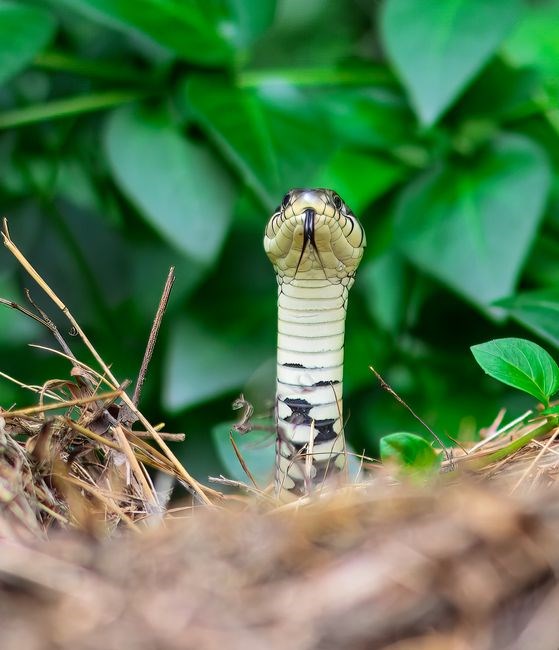
Lawrence’s “Snake” juxtaposes heat, water, and the serpent’s silent menace, using vivid imagery of a hot, hot day and a water‑trough․ The poem’s minimal structure mirrors the snake’s fleeting presence, while the narrator’s casual tone underscores human vulnerability in nature’s quiet drama․ Heightened tension․
Symbolism of the Snake
Lawrence’s use of the snake as a symbol is layered, intertwining primal instinct, danger, and the subtle tension between humanity and the natural world․ The snake’s presence beside the water‑trough on a scorching day evokes a moment of stillness that is both inviting and threatening․ Its sleek, silent movement across the surface of the water mirrors the quiet, often unseen forces that shape human experience․ The snake, traditionally associated with rebirth, healing, and the cyclical nature of life, appears here in a context that subverts expectations, suggesting that even the most familiar symbols can carry new meanings when placed in ordinary settings․ Lawrence’s language—short, vivid, and almost conversational—heightens the immediacy of the encounter, while the poet’s choice to describe the narrator in pyjamas underscores the mundane backdrop against which extraordinary events unfold․ The snake’s eyes, described as “black and glass,” capture a sense of perception at a deeper awareness that lies beyond human comprehension․ This duality—between the ordinary and the uncanny—serves as a metaphor for the human condition, where everyday life is punctuated by moments that challenge our understanding of reality․ The poem’s structure, with its abrupt, almost fragmentary lines, mirrors the sudden, unexpected appearance of the snake, reinforcing the theme of disruption․ In sum, the snake functions as a multifaceted symbol that invites readers to contemplate․
Setting and Atmosphere
Lawrence situates the poem in a pastoral setting that feels both familiar and alien․ The hot, hot day is described with a sense of oppressive heat that saturates the air, making the water‑trough a brief, almost sacred refuge․ The narrator, wearing pyjamas for the heat, is an ordinary figure, grounded in domestic comfort yet exposed to the wild․ The snake’s sudden appearance beside the trough disrupts the calm, creating a tension that is palpable․ The atmosphere is one of quiet anticipation, as the observer watches the serpent’s sleek body glide across the surface, reflecting sun’s glare․ The setting evokes a liminal space between the human world and the natural world, where the boundaries blur․ The poem’s brevity and the use of simple, almost conversational language heighten the immediacy of the moment, making the reader feel the heat, the scent of the water, and the faint rustle of grass․ The setting also functions as a metaphor for the human psyche, where the subconscious can surface unexpectedly,reminding us that ordinary can be as profound as myth․ The atmosphere is therefore one of subtle unease, a reminder that even in mundane surroundings, the extraordinary can emerge․ In the quiet aftermath, the narrator’s breath slows, and the heat seems to linger like a memory, a reminder that even in mundane moments can carry hidden depths․ The poem’s brevity invites readers to linger in the space between the seen and unseen, a quiet invitation to observe the world’s subtle, serpentine rhythms․ Thus, Lawrence’s depiction mirrors the reader’s encounters, that ordinary can be as very deep deep profound as myth!
Translations and International Editions
Lawrence’s “Snake” has been rendered into multiple languages, with a notable Spanish edition available through the Poetry Foundation’s PDF archive․ The translation preserves the poem’s rhythmic heat, offering international readers a faithful, accessible version․ Other editions in anthologies and Asia today !
Spanish Translations
Lawrence’s “Snake” has attracted a dedicated Spanish readership, prompting several translations that appear in both print and digital formats․ The Poetry Foundation hosts a PDF of the poem in Spanish, preserving the original meter while adapting the imagery to a Spanish‑speaking context․ This PDF is freely downloadable, enabling scholars and casual readers alike to explore the text without access barriers․ Course Hero also hosts a user‑generated Spanish version, which, while not officially sanctioned, offers a quick reference for students studying comparative literature․ In addition, the poem has been included in Spanish‑language anthologies of early twentieth‑century poetry, such as “Poemas Modernos” and “El Ocaso de la Naturaleza,” where editors have provided footnotes that explain cultural nuances of the serpent’s symbolism․ These editions often feature bilingual text, allowing readers to juxtapose the original English with the Spanish translation side‑by‑side․ The translation quality varies, but most adhere closely to Lawrence’s original diction, maintaining the poem’s concise, evocative style․ For those seeking academic rigor, the Spanish PDF from the Poetry Foundation is recommended, as it is the most authoritative source and is accompanied by a brief translator’s note that outlines the interpretive choices made․ Overall, the Spanish translations of “Snake” broaden the poem’s reach, ensuring that its imagery of heat, danger, and fleeting beauty resonates across linguistic boundaries․ Readers can also locate the PDF in academic archives for all readers․
Academic Use and Citation Practices
Lawrence’s “Snake” is a concise poem that has become a staple in modernist studies, often cited for its vivid imagery and compact structure․ The poem’s public‑domain status allows educators to freely distribute the full text in class handouts, lecture slides, and online repositories, making it a popular resource for teaching close reading techniques․ Scholars frequently reference the Poetry Foundation PDF, which provides a reliable source for citation in MLA, Chicago, and APA formats․ The poem’s language—rich with sensory detail—offers fertile ground for discussions on symbolism, the human body, and the natural world, and it is frequently paired with Spanish translations in bilingual anthologies to explore linguistic nuance․ In academic writing, students are encouraged to compare the original English text with the Spanish version, noting how subtle shifts in diction affect rhythm and emotional resonance․ Proper citation practices require including the PDF’s URL and access date, especially when the poem is downloaded from secondary sites such as Course Hero․ By adhering to these guidelines, researchers can confidently integrate “Snake” into their work while upholding scholarly rigor and respecting copyright law․ In addition, the poem’s concise form makes it an ideal example for comparative studies of poetic economy, and its presence in digital archives encourages interdisciplinary research․ Scholars cite the PDF in research papers conferences, underscoring its relevance in contemporary literary scholarship․
and Further Resources
While the PDF of D․ H․ Lawrence’s “Snake” remains freely accessible through the Poetry Foundation’s official site, the poem’s enduring appeal continues to inspire new generations of readers and scholars․ The document’s straightforward layout—plain text, clear line breaks, and no superfluous graphics—makes it ideal for classroom use, digital archives, and personal study․ For those wishing to explore the poem in other languages, a Spanish version can be found on the same Poetry Foundation page, offering a direct comparison that highlights subtle shifts in tone and rhythm․ Academic institutions can also retrieve the PDF via interlibrary loan or university repositories, ensuring that students have reliable, up‑to‑date copies for coursework․ If you need supplementary materials, the Poetry Foundation hosts a range of related essays, critical analyses, and historical context that deepen understanding of Lawrence’s modernist vision․ Additionally, the poem is indexed in several literary databases such as JSTOR and Project MUSE, where scholars can access peer‑reviewed articles that discuss its thematic layers․ For those interested in the broader context of Lawrence’s work, the Poetry Foundation’s “Works by D․ H․ Lawrence” collection provides a comprehensive list of his poems, along with publication dates and commentary․ Finally, the PDF can be safely shared within the bounds of fair use for educational purposes, but always verify the most recent copyright status before distributing it to a wider audience․ These resources collectively offer a robust framework for studying, teaching, and appreciating “Snake” in both its original form and translated iterations․ Students may also examine the poem’s rhythmic meter, noting how Lawrence’s concise diction mirrors the snake’s silent glide, thereby enriching discussions․